Is an organic apple healthier than a conventional apple?
Published 7 October 2026
Hello! Wednesday is our day for learning.
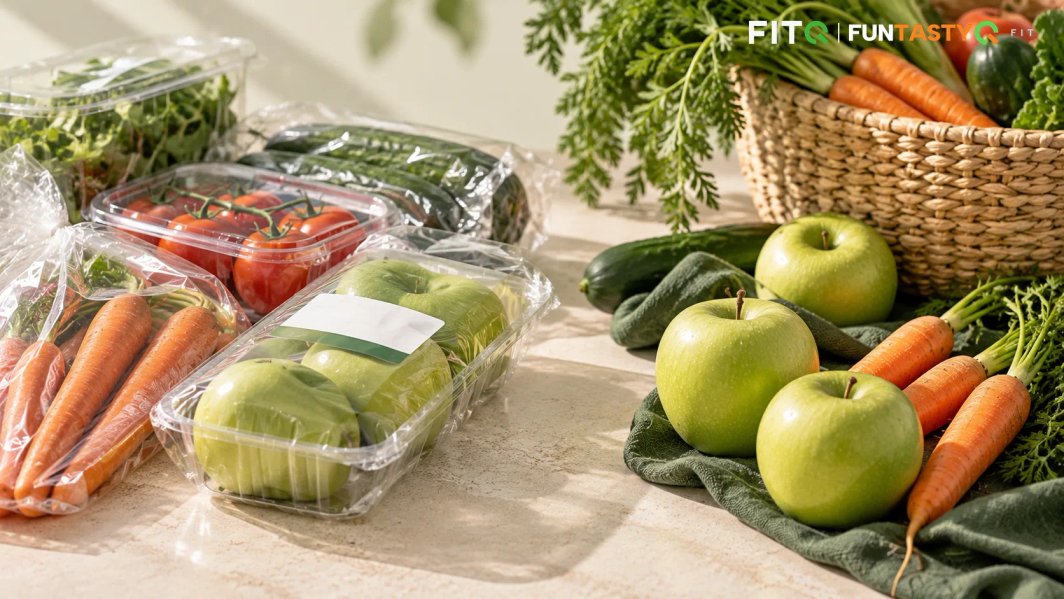
It is easy to get confused in the fruit and vegetable aisle: on the one hand, we are encouraged to eat more colourful food; on the other, we are warned that pesticide residues end up on our plates along with it. An organic label seems like a simple solution, but does it actually make an apple healthier? Food and biotechnology student Anette Auväärt looked into what scientific studies really say about this.
One fact to take away
Organic does not mean pesticide-free. Organic growers are also allowed to use plant protection products against pests and plant diseases, but only approved substances, most of which are of natural origin. An organic label therefore tells us how the produce was grown, not that it has never come into contact with any pesticides.
What about the produce on Estonian shop shelves? The Agriculture and Food Board tested nearly 400 food samples as part of last year's monitoring. How many of them failed to meet the requirements, and what does that mean for our health? And is it worth eating conventional fruit and vegetables at all if they may contain residues? You will find the answers on the blog, and at the end of the article you can earn one knowledge point by answering review questions.
Read the article and earn a knowledge point
Happy reading!
The FitQ and FunTastyQ Fit team
