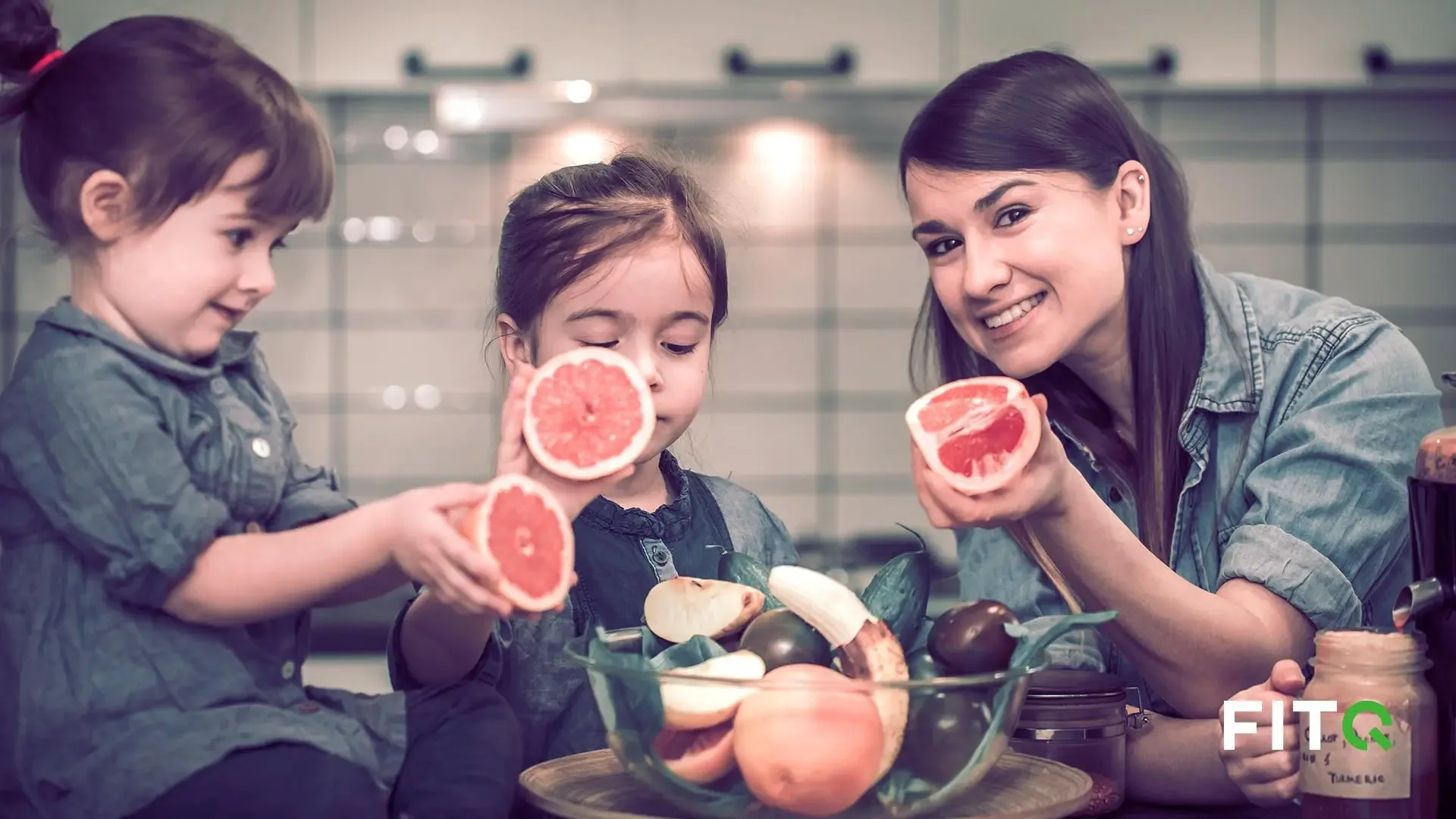

Children’s nutrition during the summer is important for supporting their healthy development and well-being, even when meals may not be as balanced or regular as they are during the school year.
Children are usually more active and spend more time outdoors during the summer months. However, we should not overlook those who are less active because “there’s nothing to do” or they have “an unbelievable amount of free time” and spend it on smart devices.
Below, we share some useful tips and recipes for both situations.
Healthy, balanced choices for children during summer break
But let’s begin with this:
No food is off-limits—just watch the portion sizes!
Estonian dietary guidelines similarly emphasise that no food is prohibited. What matters is consuming foods in moderation and making healthy choices. The Estonian dietary guidelines provide general guidance on healthy, varied eating and recommend the following:
“Follow the principles of a balanced diet, choose fresh foods and prepare meals at home whenever possible. Eat a variety of fruit and vegetables, whole grains, dairy products, protein sources and healthy fats. Avoid excessive amounts of salt, sugar and saturated fat. Remember to stay physically active and drink enough water.”
Although the Estonian dietary guidelines may not explicitly state that no food is prohibited, their overall approach suggests that a diet should be varied and balanced, and that sweets and other less healthy foods can be included in limited amounts. The important thing is to follow the general recommendations and make healthier choices as part of your everyday diet.
More detailed information and references concerning the Estonian dietary guidelines are available on the National Institute for Health Development website and the websites of other relevant health organisations.
What should children eat during the summer?
· Fruit and vegetables
Plenty of fresh fruit and vegetables are available during the summer, and children should be offered them every day. They contain many essential vitamins, minerals and fibres that support a child’s health and digestion.
So feel free to offer your child a variety of fresh berries and vegetables.
· Healthy snacks
During the summer months, children’s snacks may be higher in calories and less healthy. However, it is still possible to choose better alternatives for the body.
For example, children can be offered the fresh fruit or vegetable pieces mentioned above with a homemade dip, yoghurt or nuts. These snacks are rich in nutrients and help children stay energised.
· Grilled foods in a child’s diet
Grilling is popular during the summer, but it is important to make mindful choices about what children eat. In addition to meat, try grilling vegetables or serving them as a side dish.
For example, you could prepare grilled chicken or fish and serve it with colourful vegetables. This provides the meal with the protein it needs while adding vitamins and minerals.
· Ice cream, summer and children —can they have it?
Ice cream is a very popular summer treat among children. We certainly do not want to suggest that it should not be offered. No food is off-limits—it simply comes down to portion sizes and choosing healthier options whenever possible.
For example, you could choose sorbet or yoghurt-based ice cream, which contains less sugar than traditional ice cream.
Children, hydration and summer!
Hot summer weather can cause children to lose more water. It is important to ensure that they drink enough water to prevent dehydration.
Studies have shown that dehydration can affect children’s mental and physical performance. Carrying a water bottle or taking water breaks during play can certainly help ensure adequate hydration.
You can also add berries, mint leaves, cucumber slices or similar ingredients to the water if you wish.
What should you recommend to children who spend a lot of time on smart devices?
Several studies have found a strong link between children’s eating habits and how they spend their time, including their use of smart devices. Here are just a few examples of how greater use of smart devices and lower levels of physical activity may affect them:
· Low levels of physical activity due to smart device use
If children spend most of their summer sitting and using smart devices, this may reduce their physical activity. Insufficient movement and physical inactivity can slow the body’s metabolism and result in excess calorie intake, which may in turn increase the risk of becoming overweight.
It is therefore important to encourage children to stay active during the summer by playing outdoors or attending sports and activity camps. You can also set a good example yourself! Play tag or ball games at the seaside, organise sporting challenges in the garden or at the playground, and go swimming regularly. There is an option to suit everyone!
· Eating habits and uncontrolled snacking
Using smart devices can lead to changes in eating habits and uncontrolled snacking. Children may be inclined to eat more snacks while, for example, watching television or playing computer games. This type of snacking can often involve processed foods that are high in calories and sugar.
It is important to offer children healthy snacks, such as fruit or nuts, and set limits—for example, rather than giving a child the entire packet of nuts, pour a handful into a separate bowl.
· A child’s sleep quality affects their diet
Using smart devices before bedtime can also affect children’s sleep quality. The blue light emitted by screens can interfere with the production of the sleep hormone melatonin and make it more difficult to fall asleep.
Studies have shown that insufficient sleep can affect eating habits and increase the tendency to prefer unhealthy foods that are high in fat and sugar.
It is therefore advisable to set clear limits on the use of smart devices before bedtime and encourage a healthy sleep schedule for children. This is especially important during the summer, when they do not have to wake up early for school.
9 quick snacks children can make themselves this summer!
1. Fruit salad
Children can cut a variety of fresh fruit into pieces and combine them to make a delicious fruit salad. This allows them to choose exactly the ingredients they like.
For a more substantial snack, they can add different seeds or cereals, as well as plain yoghurt.
2. Yoghurt smoothie
Add yoghurt, your child’s favourite berries and a little honey or maple syrup to a blender, then blend briefly to make a delicious yoghurt smoothie.
Add ice cubes on particularly hot days!
3. Plain yoghurt with vegetables
Keep plain yoghurt readily available in the fridge so that your child can use it to make a dip for their favourite fresh vegetables.
4. Omelette sandwich
An omelette sandwich makes a great, filling meal. Prepare an omelette from eggs, adding vegetables if desired, and put it in a sandwich with sliced tomato, cucumber or lettuce.
5. Homemade muesli bars
Mix muesli, honey, nuts and dried fruit, then shape the mixture into compact muesli bars that can be taken along and enjoyed as a snack. You can also bake them briefly to make them crispier!
6. Avocado spread
Children can make a tasty spread from avocado by adding lemon juice, salt and pepper, then spreading it on wholegrain bread or a crusty roll.
7. Filling open sandwiches
Let your child take a slice of wholegrain bread, spread it with peanut or almond butter and top it with sliced fruit—for example, banana, berries or strawberries.
8. Greek yoghurt and nut salad
Mix Greek yoghurt, honey and chopped nuts, such as hazelnuts or almonds, then add tomato, cucumber and any other ingredients you like.
9. Fresh fruit ice cream
Blend fruit such as bananas and berries with a little milk or yoghurt to make delicious fresh fruit ice cream. Then place it in the freezer, and before long your child can enjoy a unique homemade summer treat.
These are just a few examples of quick snacks children can prepare themselves during the summer. It is important to encourage children to be creative in the kitchen and ensure that they have access to the necessary ingredients, as well as adult supervision when needed.
In summary, children’s nutrition during the summer is important for supporting their healthy development and well-being. Encouraging fruit and vegetables, adequate hydration, healthy snacks, balanced grilled meals and moderate ice cream consumption are just some of the ways to support healthy eating during the summer.
It is important to offer children a varied, nutrient-rich diet that supports their growth, development and energy levels.
At the same time, we cannot overlook the link between children’s nutrition and their use of smart devices during the summer. Excessive sitting, uncontrolled snacking and poor sleep quality can affect children’s healthy eating habits. It is therefore important to strike a balance between physical activity, limited use of smart devices and healthy eating to support children’s healthy development and well-being.
Wishing you a wonderful summer!
