
The physical fitness of young people entering the Estonian Defence Forces is generally satisfactory. Most are strong and healthy, although some still have room to improve their physical fitness.
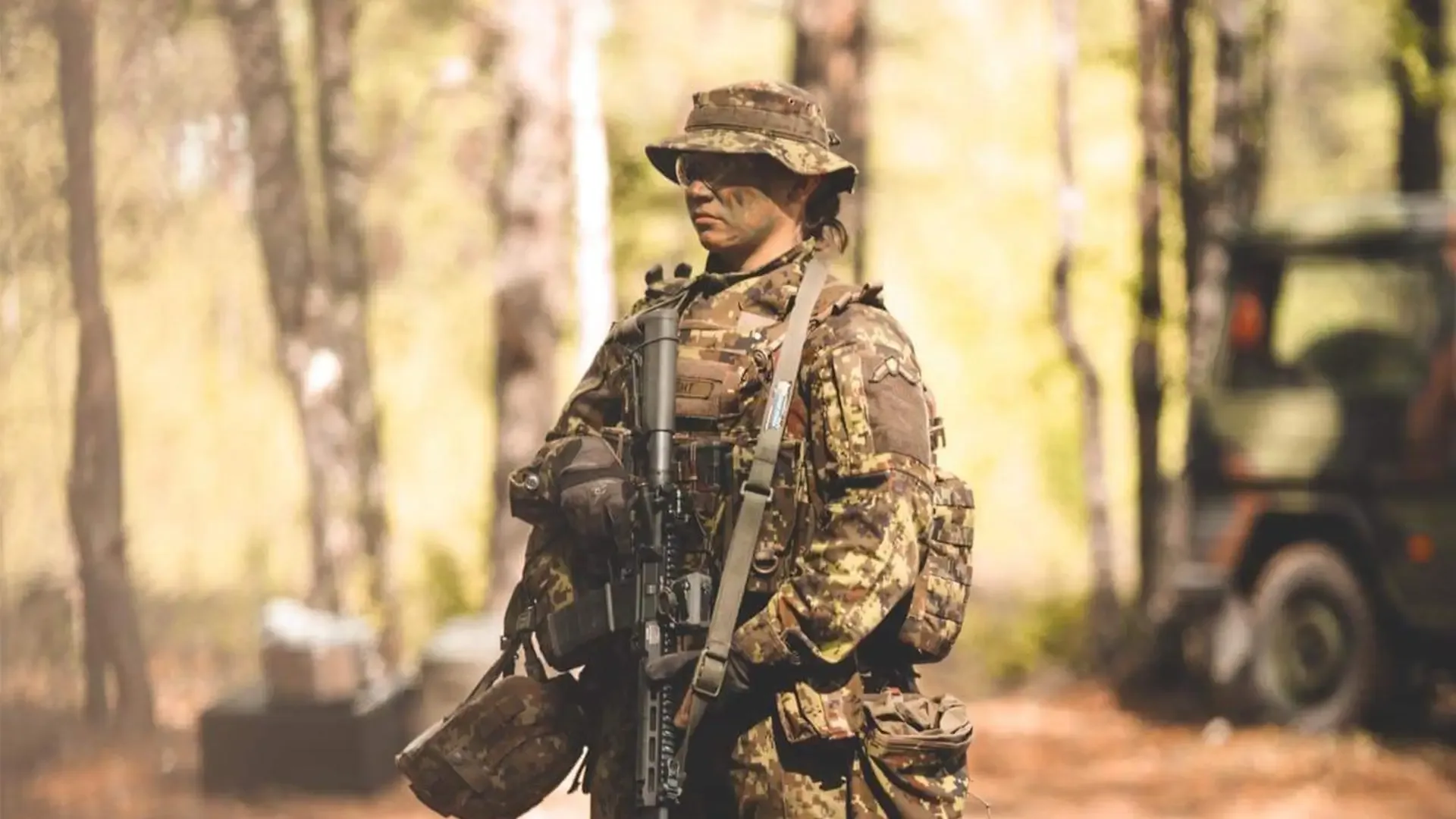
Although it is widely believed that the Defence Forces are primarily for men, every year young women and men choose to begin conscript service and contribute to the defence of their country.
How can Estonian women join the Estonian Defence Forces?
Estonian women who wish to begin conscript service must meet similar requirements and follow the same procedures as men. It is a significant decision that comes with both rights and responsibilities.
Like men, women must meet certain requirements to begin conscript service. They must be Estonian citizens, be 18-27 years old and have completed at least basic education. However, women have the right to withdraw during their first 90 days of service. If they decide to continue, they are entered in the national defence obligation register and are considered persons subject to the national defence obligation, with the corresponding rights and responsibilities.
Estonian teenagers face health and physical fitness challenges
Health and physical fitness can be obstacles for many young people who wish to begin conscript service. Although the overall health of young people in Estonia is satisfactory or good, some teenagers face health problems. Mental health issues, for example, appear to become more common with age among both girls and boys. More than one-third of Estonian girls aged 11-15 and one-fifth of boys feel sad or depressed more than once a week.
However, a comparison of the health of girls and boys wishing to join the Defence Forces shows no significant difference. Girls’ physical health is slightly better than boys’, while their mental health is comparable.
Nicotine and alcohol use among Estonian youth is a cause for concern
Smoking and alcohol consumption are among the biggest problems affecting both young women and men. They remain common among young people, as do newer trends such as using e-cigarettes or vapes. According to the 2022 Health Behaviour among the Estonian Adult Population survey, alternative nicotine products are most commonly used by young people aged 16-24, particularly young men.
Excess weight among Estonian youth is a concern
Studies by the National Institute for Health Development (TAI) show that the number of children with excess weight in Estonia has risen steadily. According to the results of the 2018 and 2019 Estonian schoolchildren’s growth monitoring study, for example, almost one-fifth of pupils in the first and fourth grades were overweight and 11% were obese.
Sadly, the proportion of children at a healthy weight decreased with age, while the proportions who were overweight or obese increased.
It is encouraging, however, that young people’s awareness of exercise, nutrition, active lifestyles and health in general has increased significantly in recent years. This positive trend is the result of several factors, including improved school health programmes, greater health awareness through the media and social media, and young people’s own interest in a healthy lifestyle.
How does the health of Estonian youth compare with that of young people in neighbouring countries?
Unfortunately, the health of young people entering the Estonian Defence Forces does not stand out compared with neighbouring countries. The number of children with excess weight in Estonia has increased year by year, and according to the study results, 18% of young people aged 11–15 are overweight. Overweight and obesity are more common among boys, with no differences observed between age groups. Estonia has more pupils with excess weight than the HBSC study average and more than Finland, Sweden, Latvia and Lithuania.
On average, Estonian young people are healthier and fairly satisfied with their lives compared with young people in neighbouring countries. They rank second behind Lithuania in both self-rated health and life satisfaction.
Estonian boys rated their health and life satisfaction more highly than girls. According to the study, they also reported fewer health complaints.
In terms of mental health, Estonian young people are also healthier on average than their peers in neighbouring countries. According to the study, depression and anxiety disorders are less common among Estonian youth than among young people in Latvia, Lithuania and Finland.
What does the Defence Resources Agency see as the main health concerns?
Aare Jamnes, Defence Resources Agency: “Everyone is competing for young people’s time today. They have more and more options for how to spend it, but unfortunately, an increasing number of those options involve sitting indoors. This competition for young people’s time reduces physical activity, which in turn has a negative effect on physical fitness. It has also been pointed out that young people who play sports specialise too early, leaving them with low levels of overall physical fitness and coordination.”
Awareness and evidence-based decision-making are not the same thing. Young people receive a great deal of information, much of it conflicting, which can cause confusion. Conscript service makes decision-making easier for young people and teaches discipline, which is essential for maintaining a healthy lifestyle later in life. A balanced diet, regular mealtimes and continuous physical activity throughout the day are among the benefits every young person gains from conscript service, alongside other skills.
Did you know that FitQ and the Defence Resources Agency jointly created the free “Koos vormi” programme?
The Defence Forces physical fitness preparation programme helps you get ready for the Defence Forces physical fitness test! Please note: anyone can take part, not just young people preparing for conscript service!
Are you ready to improve your overall physical fitness? Our joint 12-week preparation programme will help you achieve your goals and perform better than ever in the general physical fitness test.
The programme is suitable for young people and adults, women and men, regardless of their current fitness level. Developed by specialists, the plan consists of three four-week training cycles focusing on key aspects of general physical fitness, such as strength, flexibility and endurance. The programme’s structure guarantees steady progress.
In summary, the health of young people entering the Estonian Defence Forces is generally good. Young women’s interest in conscript service has remained stable in recent years, and young people are more aware of exercise, nutrition and health. However, excess weight among young people is a worrying problem that requires greater efforts to address. We therefore invite everyone—young people and adults, women and men alike—to join the Defence Forces physical fitness preparation programme and follow a professionally designed plan to improve their fitness safely and effectively!
