

In recent years, the keto diet has become increasingly popular. The media presents it as a miracle weight-loss method, with success stories and recommendations from "experts" circulating widely. But is that really the case? Although the keto diet can produce rapid results in the short term, it is still considered a fairly extreme way of eating. It may not be suitable for everyone and may involve potential health risks.This article comes from our archives, from when FunTastyQ Fit was still called Geneto Elustiil. We keep older articles available—our product has a long history.
History of the keto diet
The keto diet was first used for medical purposes in 1921 to treat epilepsy in children. However, the introduction of anticonvulsant medication soon caused the keto diet to fade into obscurity for decades. It has regained popularity since the 1970s, primarily as a weight-loss method.How does the keto diet work?
On the keto diet, carbohydrate intake is significantly restricted and the proportion of high-fat foods in the diet is increased.
The basics of the keto diet:
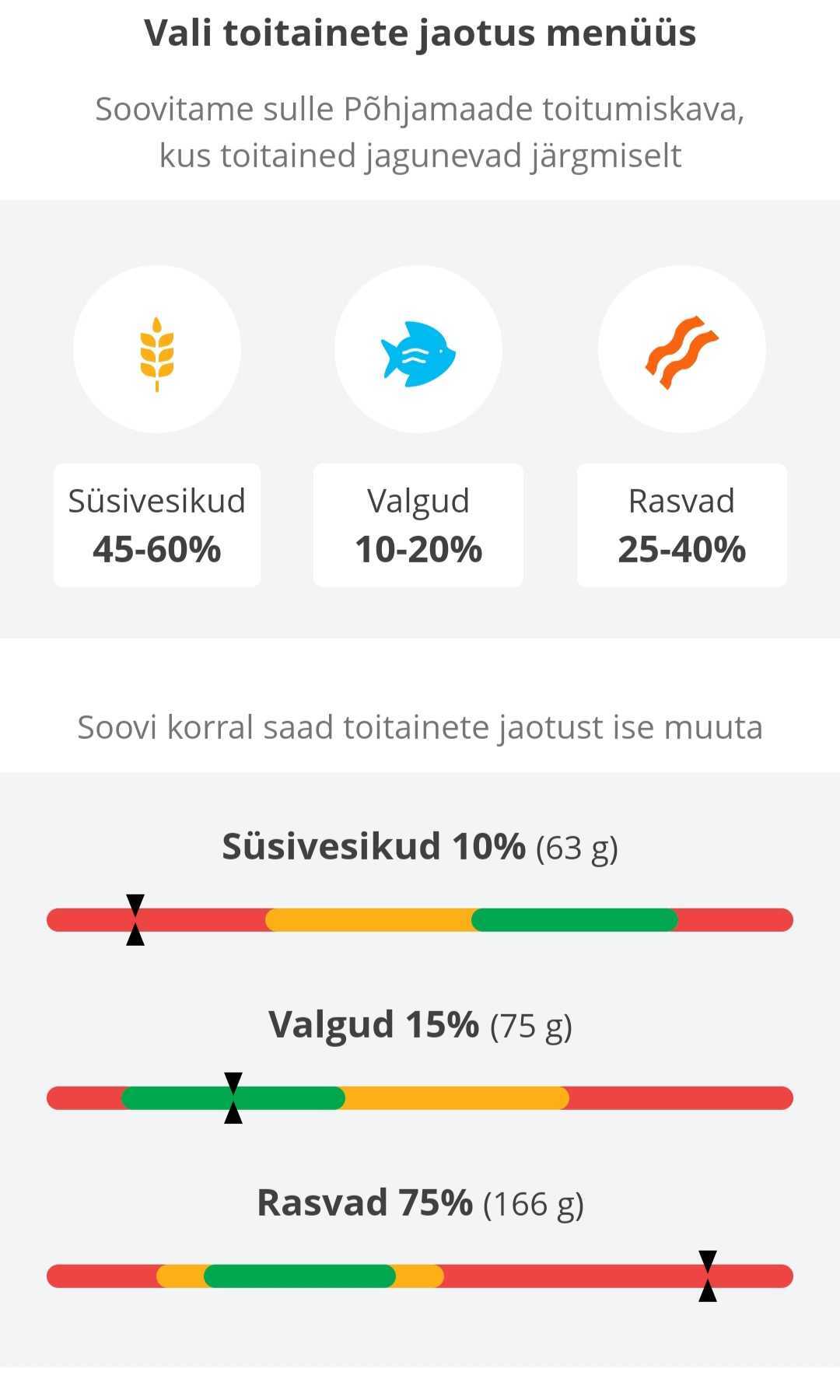
- Fats: 70–80% of daily energy comes from high-fat foods, such as avocado, olive oil, nuts, butter and oily fish.
- Protein: a moderate amount—around 10–25% of daily energy, from foods such as eggs, chicken and beef.
- Carbohydrates: less than 10%, from foods such as leafy vegetables and low-carbohydrate berries—usually under 50 grams per day, depending on the individual.
The keto diet and rapid weight loss
At least initially, the rapid weight loss associated with the keto diet is caused by water loss, not fat burning. Because 1 g of carbohydrates stored in the body as glycogen binds approximately 2.7–3 g of water, the body also loses water when carbohydrate intake is low. A simple example: If the body contains 500 g of glycogen, for example, it binds approximately 1.5–2 kg of water. When glycogen stores are depleted, weight can quickly drop by approximately 1.5–2.5 kg, but this is mainly water rather than body fat. It returns when carbohydrates are eaten again. Therefore, the rapid weight loss often seen at the beginning of the keto diet does not come from actual body fat but is mostly due to water loss.The keto diet and fat burning
It is true that the keto diet can be very effective for weight loss in the short term. When dietary carbohydrate intake is low, insulin levels in the body fall, promoting the use of body fat as an energy source. Low insulin levels are the prerequisite for so-called fat burning on the keto diet. However, this only works while the keto diet is followed. If the diet is not maintained over the long term or the person does not eat a balanced and varied diet, the weight lost usually returns. Read more about balanced and varied nutrition here!
Potential benefits of the keto diet
Research into the keto diet has identified several evidence-based benefits, but most are short-term or relate to specific health conditions. Its long-term effects remain unclear, and the diet may not be suitable for everyone.- Weight loss and weight management – in the short term (3–6 months), the keto diet may be more effective than a low-fat diet. Its effects tend to diminish over the long term (more than 12 months).
- Reduced appetite – a diet high in fat and protein helps people feel full for longer, which may reduce snacking and overeating and support weight loss.
- More stable blood sugar levels – it may help control blood sugar in people with type 2 diabetes and insulin resistance.
- Neurological diseases – some clinical trials suggest potential cognitive benefits, including in the management and prevention of Alzheimer’s and Parkinson’s diseases.

Health risks and dangers of the keto diet
Although the keto diet can produce good short-term weight-loss results, there is still little research on its long-term effects, and many specialists warn of potential health risks: Main health risks:- Nutrient deficiencies – limited food choices can lead to vitamin and mineral deficiencies.
- Digestive problems – low fiber intake can cause constipation and bloating.
- Risk of kidney stones – increased protein and fat consumption may place additional strain on the kidneys.
- Risk of heart disease – if the diet is high in saturated fat and low in fiber.
- Muscle loss – rapid weight loss may reduce muscle mass.
The keto diet is not sustainable
The keto diet can produce significant short-term weight-loss results, but it is important to remember that it is not without risks. For many people, it is too restrictive and difficult to follow, and it can lead to health problems, especially when followed for a long time. Based on current knowledge, the keto diet is not sustainable over the long term and may involve health risks. Weight loss can also be achieved through a balanced diet, regular physical activity and consistent healthy habits. Read more about this here! In the long run, this approach is the most reliable path to better health and well-being. Stay healthy! Nutrition counselor Astrit Kreutzwald
